
Know your rights in personal injury cases.
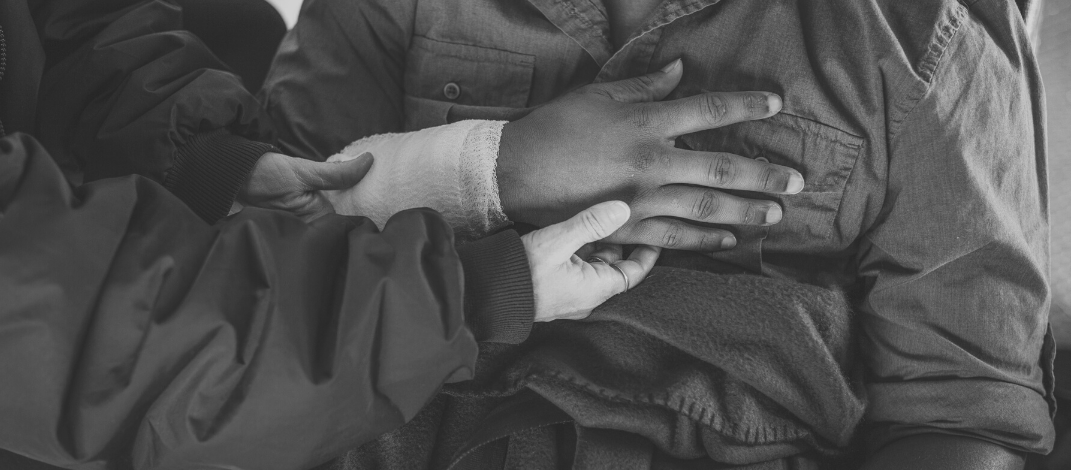
In Kenya, personal injury law provides a legal framework for individuals who have suffered harm due to accidents, negligence, or wrongful acts of others. Understanding your rights and the legal processes involved is essential for navigating claims, filing lawsuits, and pursuing compensation effectively.
Types of Personal Injury Cases Personal injury cases can arise from various situations, including road accidents, workplace injuries, medical malpractice, slips and falls, and assaults. Road accidents remain the most common source of personal injury claims in Kenya, given the high number of traffic incidents. Employers are also liable for ensuring safe work environments, and employees injured on the job may be entitled to compensation under the Work Injury Benefits Act (WIBA).
Legal Rights in Personal Injury Cases
Right to Compensation:
Victims have the legal right to seek compensation for medical expenses, lost wages, emotional distress, and other related costs. Under Kenyan law, compensation is aimed at restoring the injured party to the position they were in before the injury.
Right to Legal Representation:
Victims can hire legal counsel to help navigate the complexities of personal injury claims, ensuring they meet legal requirements and negotiate fair settlements.
Statutory Limitations:
Under the Limitation of Actions Act (Cap 22), personal injury claims must generally be filed within three years from the date of the injury. For cases involving minors or incapacitated individuals, the period may be extended.
Steps to Take After an Injury
Seek Immediate Medical Attention:
Your health should be your top priority. Seek medical care and ensure all injuries are documented, as medical reports are crucial in substantiating your claim.
Document Evidence:
Take photographs of the accident scene, gather witness statements, and keep a record of all expenses related to the injury.
Notify Authorities:
In road accidents, report the incident to the police and obtain an abstract report, which serves as evidence in legal proceedings.
Contact a Lawyer:
A legal professional can assess the merits of your case, gather the necessary evidence, and guide you through the claims process.
Alternative Dispute Resolution (ADR) While court litigation is an option, ADR methods such as negotiation, mediation, and arbitration are encouraged under Kenyan law, including the Civil Procedure Act and the Constitution of Kenya (2010). These methods can save time and reduce legal costs while fostering amicable settlements. Pursuing a Claim in Court If negotiations fail, filing a lawsuit in court becomes necessary. The process involves: Filing a Plaint: A formal legal document outlining the claim. Court Proceedings: Hearings where evidence is presented. Judgment and Compensation: The court determines liability and awards compensation based on the evidence presented.

Navigating personal injury cases in Kenya requires a clear understanding of your legal rights and the processes involved. By seeking immediate medical attention, documenting evidence, and engaging experienced legal counsel, you can strengthen your claim and increase the chances of receiving fair compensation. At Onyango Odhiambo & Co Advocates, we are committed to guiding you through every step of your personal injury claim, ensuring justice and peace of mind. Contact us today for a consultation and expert legal advice.
Here for you. Contact us now for a FREE Consultation